
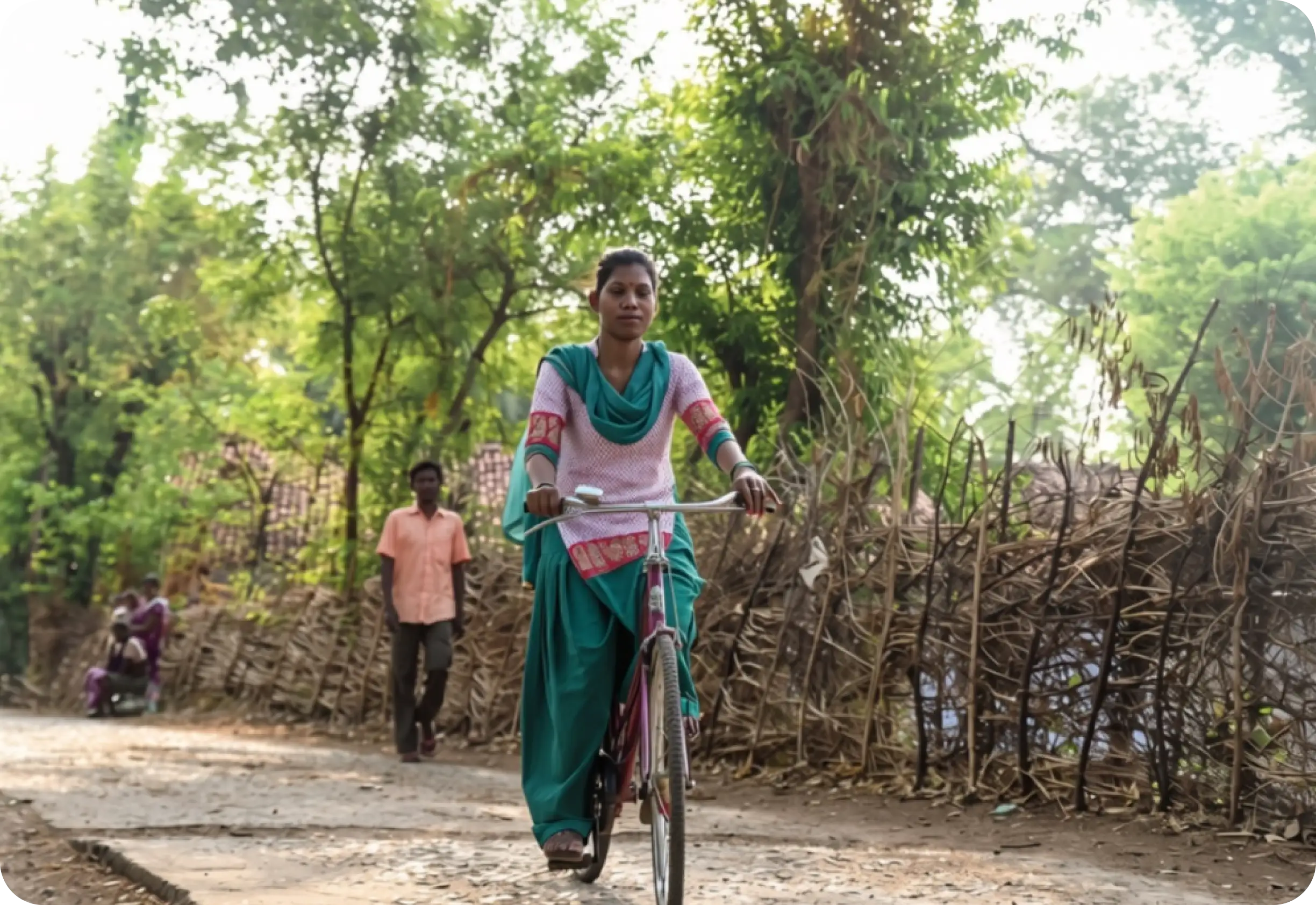
Representative image. Story is independent.
Deciding what comes next
At 20, Ritu* was already a mother to a one-year-old daughter when she found out she was pregnant again.
She knew what it meant to care for a young child – the time, attention and resources it required. Her family's financial situation was difficult, and another child, so soon, felt like more than they could manage.
For seven or eight days, Ritu thought about the pregnancy and what another child would mean for the family she was already raising. Then she spoke to her husband. They talked it through and decided to have an abortion.
Ritu spoke to the ASHA worker in her community, who told her that abortion services were available at the nearby Primary Health Centre (PHC).
At the PHC, Ritu received the information and support she needed to understand what an abortion would involve and what to expect in the days ahead. Reassured, Ritu went ahead with the abortion.
The next few days were not easy. There was pain and bleeding, and Ritu waited for her body to recover. Gradually, the discomfort eased. By the eighth day, she felt stronger.
"I can care for my child and support my family now."
Ritu knew another child was not right for her at that moment in her life. What she needed was a way to act on that decision safely — with reliable information, support close to home, and care when she needed it.
*Name changed.
Ritu's story is also connected to a change taking place within the health system.
The doctor at the PHC recalls a time when women would come to her seeking an abortion and she had to turn them away. Today, after completing medical abortion training facilitated by Ipas Development Foundation, and with commodities and information materials available at the facility, that has changed.
For the doctor, being able to provide the care women come seeking is a source of contentment. For women like Ritu, it means safe abortion care is available closer to home, when they need it.